

Losing weight isn’t just about looking better it’s about feeling better every single day.
Imagine waking up with more energy, moving without pain, and having the confidence to take on anything.
When you shed those extra pounds, your whole life can change in ways you might not expect.
Curious about how losing weight can boost your health, mood, and even your relationships?
Keep reading to discover the real benefits waiting for you.
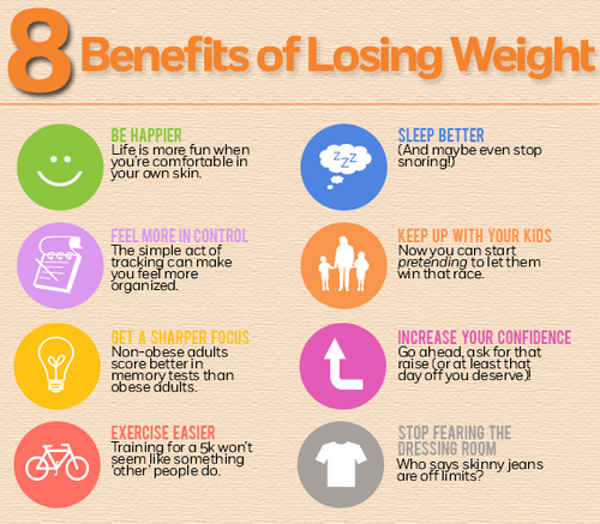
Credit: reggiecfitness
Physical Health Gains
Losing weight brings many physical health gains that improve overall well-being.
Shedding extra pounds helps the body work better and lowers risks of many diseases.
It supports cardiovascular health improvement, better blood sugar regulation, and joint pain relief.
These benefits lead to increased energy levels and better daily life.
Understanding how weight loss affects health motivates healthy choices and lasting change.
Improved Heart Health
Weight loss offers significant benefits for the heart. Excess weight strains the heart and blood vessels.
Losing weight lowers blood pressure and lowers cholesterol levels, reducing heart disease risks.
It helps maintain a healthy heartbeat and improves blood flow.
- Lower blood pressure: Reduces stress on arteries and heart muscle.
- Reduced cholesterol levels: Less plaque buildup in arteries.
- Decreased risk of stroke and heart attack: Better blood circulation.
- Better cardiovascular health improvement: Enhances heart function and endurance.
Studies show people with weight loss have fewer heart problems.
The table below shows how heart risk factors improve with weight loss:
| Health Factor | Before Weight Loss | After Weight Loss |
|---|---|---|
| Blood Pressure | High | Normal |
| Cholesterol Levels | Elevated | Lowered |
| Heart Disease Risk | High | Reduced |
Improving heart health through weight loss also boosts increased energy levels and overall stamina.
The body works more efficiently, making daily activities easier.
Better Blood Sugar Control
Weight loss plays a key role in blood sugar regulation.
Extra fat, especially around the belly, makes it harder for the body to use insulin.
This causes high blood sugar and increases the reduced risk of diabetes.
Shedding pounds helps the body respond better to insulin.
This keeps blood sugar at healthy levels and lowers the chance of developing type 2 diabetes.
Better blood sugar control also improves energy and mood.
- Improved insulin sensitivity: Body uses insulin more effectively.
- Lower blood sugar levels: Reduces symptoms like fatigue and thirst.
- Decreased risk of diabetes: Weight loss prevents or delays diabetes onset.
- Obesity-related disease prevention: Protects kidneys, eyes, and nerves from damage.
The following list shows key ways weight loss helps blood sugar:
- Reduces fat that causes insulin resistance.
- Supports balanced meals and better nutrition.
- Encourages physical activity, which lowers blood sugar.
- Improves sleep, which affects blood sugar levels.
Maintaining healthy blood sugar through weight loss also supports improved mental health.
Stable sugar levels reduce mood swings and boost focus.
Reduced Joint Pain
Carrying extra weight puts pressure on joints, especially knees, hips, and lower back.
This causes pain and limits movement. Losing weight offers joint pain relief by lowering this stress.
Weight loss helps protect joints and improves enhanced mobility.
It slows damage to cartilage and reduces inflammation.
This makes walking, bending, and other movements easier and less painful.
- Less pressure on joints: Weight loss reduces load on knees and hips.
- Reduced inflammation: Fat tissue produces chemicals that cause joint pain.
- Improved joint function: Easier to move without discomfort.
- Weight loss advantages: Better quality of life and independence.
The table below compares joint stress before and after weight loss:
| Joint | Stress Before Weight Loss | Stress After Weight Loss |
|---|---|---|
| Knees | High | Moderate |
| Hips | High | Lower |
| Lower Back | High | Reduced |
Overall, reducing joint pain through weight loss helps people stay active.
This creates a positive cycle of health and well-being.
Mental Wellbeing Boost
Losing weight offers many Weight Loss Advantages beyond physical changes.
One of the key benefits is a significant Mental Wellbeing Boost. This boost positively affects your emotional health, self-image, and stress management.
Through Healthy Lifestyle Changes like better nutrition and regular exercise, you can improve your Mental Health Improvement and enjoy long-lasting effects on your mood and confidence.
The connection between fitness and mental health is strong, making weight loss a powerful tool for overall well-being.
Enhanced Mood
Weight loss triggers changes in the brain that help with Mood Stabilization.
Exercise increases the release of endorphins, known as “feel-good” hormones.
These chemicals reduce feelings of sadness and anxiety.
As a result, many people report a brighter, more positive mood after starting a fitness routine.
Key factors that contribute to enhanced mood through weight loss include:
- Regular physical activity boosting endorphins
- Improved sleep quality
- Balanced blood sugar levels
- Reduced inflammation in the body
All these changes support Emotional Well-Being.
Here is a simple table summarizing the mood benefits:
| Factor | Effect on Mood |
|---|---|
| Exercise | Increases endorphins, reduces anxiety |
| Better Sleep | Improves energy and mood stability |
| Balanced Diet | Prevents mood swings caused by blood sugar |
These Fitness And Wellness benefits make weight loss a natural way to lift your spirits.
Increased Self-confidence
Weight loss leads to a strong Self-Esteem Boost and Body Image Enhancement.
Feeling better about your appearance improves confidence in social and work situations.
This improvement affects many parts of life positively.
Common ways self-confidence increases after weight loss:
- Wearing clothes more comfortably
- Receiving positive feedback from others
- Achieving personal health goals
- Feeling more energetic and active
These changes encourage people to try new activities and meet new people.
A good self-image supports Mental Health Improvement by reducing negative thoughts and promoting a positive mindset.
Here is an example of how weight loss helps confidence:
“I feel proud of my body. This pride makes me more outgoing and happy.”
Such stories show how Healthy Lifestyle Changes impact emotional strength and social life.
Lower Stress Levels
Weight loss also provides many Stress Reduction Benefits.
Physical activity reduces cortisol, the hormone linked to stress.
This helps calm the mind and body.
Ways weight loss lowers stress include:
- Improved sleep that helps recovery
- Increased relaxation from exercise
- Better control over emotions
- Feeling more capable of handling challenges
Lower stress supports overall Emotional Well-Being and reduces risks of depression and anxiety.
The table below compares stress levels before and after adopting a healthy lifestyle:
| Before Weight Loss | After Weight Loss |
|---|---|
| High cortisol, frequent anxiety | Lower cortisol, calmer mood |
| Poor sleep, fatigue | Better sleep, more energy |
| Difficulty coping with stress | Improved stress management |
These Physical Health Gains work together with mental benefits to create a balanced, healthy life.
Lifestyle Improvements
Losing weight brings many lifestyle improvements that go beyond just changing your appearance.
It helps improve your overall well-being and daily living.
The benefits include increased energy, better sleep, and easier movement.
These positive changes support a healthy lifestyle and help maintain weight loss over time.
Understanding these benefits encourages healthy lifestyle changes and boosts motivation to keep going.
More Energy And Stamina
One major benefit of losing weight is gaining more energy and stamina.
Carrying extra weight makes the body work harder, which can lead to fatigue and low energy.
After weight loss, the body becomes more efficient, resulting in an increased metabolic rate.
This means the body burns calories faster and produces more energy throughout the day.
With more energy, everyday tasks feel easier. People often notice:
- Improved ability to exercise longer and with less effort
- Better focus and enhanced mental clarity
- Reduced feelings of tiredness during work or school
These changes support improved physical health and help build stamina for activities like walking, climbing stairs, or playing with children.
The table below shows how weight loss affects energy levels and stamina:
| Before Weight Loss | After Weight Loss |
|---|---|
| Low energy, quick exhaustion | Higher energy, longer endurance |
| Slow metabolism | Increased metabolic rate |
| Difficulty with physical activity | Easier movement and exercise |
These weight loss advantages lead to a more active and enjoyable life.
Better Sleep Quality
Weight loss can improve sleep quality significantly.
Excess weight often causes breathing problems during sleep, like sleep apnea.
This disrupts rest and leaves people feeling tired during the day.
Losing weight reduces fat around the neck and chest, which eases breathing and helps with better joint function during rest.
Better sleep supports:
- Enhanced mental clarity
- Lower stress levels
- Improved mood and self-esteem
- Reduced risk of diabetes and heart disease
Good sleep also helps with weight management tips by balancing hunger hormones and reducing cravings.
This creates a positive cycle of healthy lifestyle changes. People often find they can:
- Fall asleep faster
- Stay asleep longer
- Wake up feeling refreshed
These benefits contribute to overall cardiovascular health benefits and better daily function.
Increased Mobility
Weight loss improves increased mobility by reducing strain on joints and muscles.
Extra weight puts pressure on knees, hips, and ankles, causing pain and limiting movement.
Losing weight helps with better joint function and reduces discomfort.
People who lose weight often experience:
- Less joint pain and stiffness
- Greater ease in walking and bending
- Improved balance and coordination
These changes allow more participation in physical activities and hobbies.
Increased mobility supports healthy lifestyle changes by making exercise easier and safer, which helps sustain weight loss.
The following table shows common mobility improvements after weight loss:
| Mobility Issue | Before Weight Loss | After Weight Loss |
|---|---|---|
| Joint Pain | Frequent and severe | Reduced or absent |
| Range of Motion | Limited | Improved |
| Physical Activity | Hard to perform | Easier and more enjoyable |
Better mobility contributes to overall improved self-esteem and encourages continued commitment to weight management tips and healthy habits.
Long-term Disease Prevention
Losing weight offers many health benefits beyond just looking better.
One of the most important benefits is long-term disease prevention.
Carrying extra weight increases the risk of many serious diseases.
Reducing weight helps protect the body from these conditions and improves overall health.
This protection means a better quality of life and fewer health problems over time.
Below, we explore three key ways weight loss helps prevent diseases and supports a healthier future.
Lower Risk Of Diabetes
Weight management benefits play a crucial role in diabetes prevention.
Excess fat, especially around the abdomen, affects how the body uses insulin.
This can cause blood sugar levels to rise, leading to type 2 diabetes.
Losing weight helps by:
- Improving insulin sensitivity, allowing the body to control blood sugar better.
- Reducing fat around organs that interfere with metabolism.
- Lowering inflammation linked to insulin resistance.
Studies show that a 5-10% reduction in body weight can lower diabetes risk by up to 58%.
Weight loss advantages also include better energy and less strain on the pancreas.
| Weight Loss Percentage | Reduction in Diabetes Risk |
|---|---|
| 5% | 58% |
| 7% | 60% |
| 10% | 66% |
Enhanced metabolic function through weight loss supports long-term blood sugar control.
This reduces the chance of developing diabetes and its complications.
Reduced Cancer Risk
Excess weight increases the chance of several cancers.
Losing weight can help lower this risk significantly.
Fat tissue produces hormones and chemicals that may promote cancer cell growth.
Cancer risk reduction occurs because weight loss:
- Reduces levels of harmful hormones like estrogen and insulin.
- Decreases inflammation that can damage cells.
- Improves immune system function to fight abnormal cells.
Research links obesity to cancers such as breast, colon, and liver.
Weight loss helps protect against these by lowering obesity-related disease risks.
| Cancer Type | Link to Obesity | Effect of Weight Loss |
|---|---|---|
| Breast Cancer | High | Risk decreases with weight loss |
| Colon Cancer | Moderate | Lower risk after weight loss |
| Liver Cancer | High | Reduced risk with less fat |
Weight loss advantages extend to cancer prevention by lowering harmful body chemicals.
This supports a healthier, disease-resistant body.
Improved Longevity
One of the greatest health benefits of losing weight is increased lifespan.
Carrying less weight reduces stress on the heart, lungs, and joints.
This means the body works better for longer.
Benefits that help improve longevity include:
- Improved cardiovascular health with lower blood pressure and cholesterol.
- Better mental health through improved self-esteem and lower depression.
- Obesity-related disease reduction such as fewer heart attacks and strokes.
- Enhanced metabolic function that supports all body processes.
Studies show people who maintain a healthy weight live longer and enjoy better quality of life.
Weight loss advantages reduce the risk of early death caused by chronic illnesses linked to obesity.
Better mental health also plays a role in longevity.
Feeling healthier and more active encourages positive lifestyle choices, creating a cycle of wellness.
Social And Emotional Benefits
Losing weight offers many health benefits, but the social and emotional benefits are just as important.
Shedding extra pounds often leads to better connections with others and a more positive outlook on life.
These benefits improve daily experiences and overall happiness.
Improved Social Interactions
One of the key weight loss advantages is improved social confidence.
When people lose weight, they often feel better about their appearance.
This boost in self-esteem helps them engage more comfortably in social settings.
They may find it easier to start conversations, join group activities, and enjoy social events.
Better social interactions come from:
- Enhanced physical fitness that increases stamina for social activities.
- Reduced anxiety about body image and appearance.
- More positive feedback from friends and family.
Here is a simple table showing the social benefits linked to weight loss:
| Social Benefit | Description |
|---|---|
| Improved Self-Esteem | Feeling better about yourself increases social confidence. |
| More Social Activities | Increased energy levels make joining events easier. |
| Positive Relationships | Better mood and confidence improve interactions with others. |
Greater Motivation And Productivity
Weight loss leads to increased energy levels, which helps people feel more active throughout the day.
This energy can improve focus and drive at work or school.
Many experience a productivity boost from weight loss, completing tasks faster and feeling less tired.
People also gain weight management motivation.
Achieving weight loss goals can encourage healthy habits in other areas of life.
This motivation supports better time management and goal setting.
Benefits to motivation and productivity include:
- Better mental health due to reduced stress and anxiety.
- More stamina for physical and mental tasks.
- Improved sleep quality, leading to sharper focus.
The health benefits of losing weight go beyond the body.
They affect how people feel and perform daily.
This creates a positive cycle where better health fuels higher motivation, and higher motivation supports continued weight loss.

Credit: windermeremedical
Frequently Asked Questions
What Are The Main Health Benefits Of Losing Weight?
Losing weight reduces risks of heart disease, diabetes, and high blood pressure. It improves overall body function and boosts immune health. Weight loss also enhances energy levels and promotes better sleep quality.
How Does Weight Loss Improve Mental Well-being?
Weight loss often leads to higher self-esteem and reduced anxiety. Physical activity during weight loss releases endorphins, improving mood. It also helps in managing stress and enhances cognitive function over time.
Can Losing Weight Increase Life Expectancy?
Yes, losing excess weight lowers the risk of chronic diseases. This reduction promotes a longer, healthier life. Maintaining a healthy weight supports better organ function and overall longevity.
How Does Weight Loss Affect Physical Fitness?
Weight loss improves strength, endurance, and mobility. It reduces joint pain and increases exercise capacity. This leads to better performance in daily activities and physical tasks.
Losing weight brings many health benefits to your life.
You can feel more energetic every day. Your heart works better and risks of illness drop.
Sleep improves, making you feel fresh in the morning.
Moving around becomes easier and more fun.
You gain confidence and feel happier too.
Small changes lead to big results over time.
Start with simple steps and stay consistent.
Your body and mind will thank you.
A healthier life is within your reach. Keep going you deserve to feel your best.